


Honest Assessment
We check whether a patch repair is enough, or whether a full re-plaster is the better long-term option.
Cracked, damp-damaged or blown plaster patched and refinished cleanly — so the repair disappears once it’s painted.
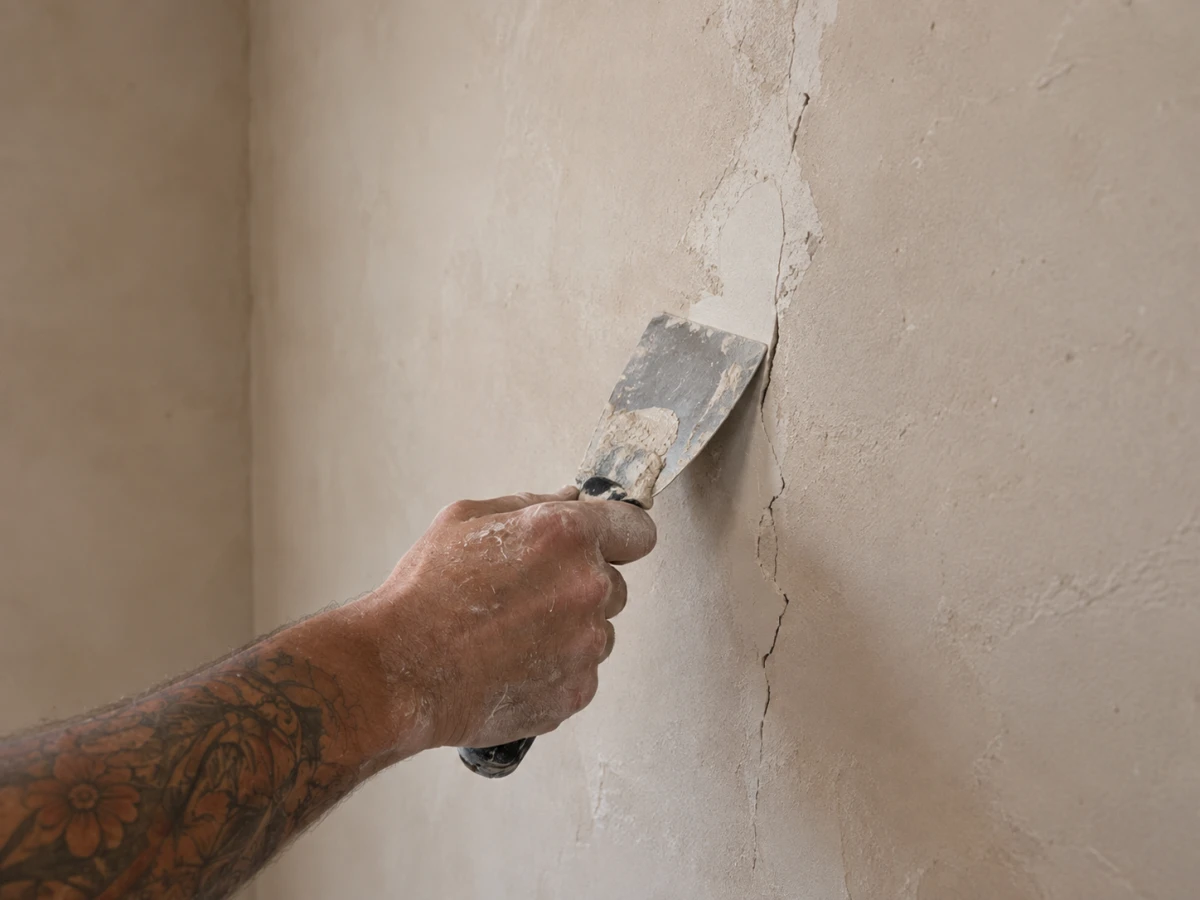
A well-matched repair now can avoid a much bigger job later.
We check whether a patch repair is enough, or whether a full re-plaster is the better long-term option.

Repairs are patched and refinished so they disappear into the surrounding surface once painted.

More than 20 years of hands-on plastering experience diagnosing and repairing damaged plaster.

We protect floors and furniture and keep disruption to a minimum.
We identify and resolve the underlying cause, such as damp, before repairing.

Often far less disruptive and costly than a full re-plaster.
Blended into the surrounding plaster so the repair isn’t visible once painted.

Professional cover provides extra reassurance while work is carried out.
Cracked, damp-damaged or blown plaster doesn’t always mean a whole wall needs stripping back — in many cases it can be patched and refinished so the repair disappears once it’s painted.
The right repair depends on the cause and extent of the damage. A small, isolated crack or a blown patch, where the plaster has come away from the wall behind it, can usually be cut out and patched, then blended into the surrounding surface.
Plastering over an active damp problem only masks it temporarily. Whatever’s causing the damp needs identifying and resolving, and the wall needs to have dried out, before we replaster to a normal finish.
The right choice depends on how much of the wall is actually affected.
Which is better? Where damage is widespread, caused by damp likely to recur, or the surrounding plaster is generally soft or hollow, patch repairs alone tend to be poor value — we’ll be upfront if a full re-plaster is genuinely the better option.
A careful assessment before any work begins.
We check the cause and extent of the damage, including any signs of damp.
Damaged plaster is cut out back to sound plaster or the substrate.
Any underlying cause, such as a source of damp, is resolved first.
Plaster is reapplied and blended into the surrounding finish.
Cracked or blown plaster is often a sign of an underlying issue, such as damp, that needs addressing before any repair is carried out.
See our plastering FAQs for more on telling a cosmetic crack from a bigger problem.
It depends on the extent and cause of the damage. A small, isolated crack or blown patch can usually be cut out and patched, then blended into the surrounding plaster so it's not visible once painted. If the damage is widespread, caused by damp that's likely to recur, or the existing plaster is generally soft or hollow, it's usually better value to replaster the whole wall rather than patch repeatedly. We'll give you an honest recommendation based on what we find.
Plastering over an active damp problem will only mask it temporarily — the cause needs to be identified and resolved first, whether that's a leak, rising damp or condensation, otherwise the new plaster will fail again. Once the underlying cause has been fixed and the wall has dried out (or been treated with an appropriate damp-proofing system where needed), we can replaster to a normal finish. If you're not sure what's causing damp on a wall, we're happy to take a look and advise.
Fresh plaster needs to fully dry out, not just look dry to the touch. As a rough guide, allow about a week per coat in normal conditions — a standard skim coat is often ready in around 5-7 days, longer in cold or damp weather or on larger areas. Painting too soon can trap moisture and cause the finish to blow or discolour. We'll advise on drying time for your job, and a diluted mist coat is usually the safe first coat once it's ready.
Plastering is inevitably a bit dusty and wet since we mix and apply plaster on site, but we keep disruption to a minimum: dust sheets over floors and furniture, protection for doors, windows and fixtures, and a clean-down at the end of each day rather than leaving mess to build up. Rooms generally need to be cleared of furniture, or have it moved to the centre and covered, before we start. We'll talk you through what to prepare before work begins.
Yes. M&M provides free, no-obligation quotations. We can discuss the property and the work required, and where necessary arrange to assess the job before providing the quotation.
Send us a few photos of the damage and we will advise on the likely scope and provide a clear, no-obligation quotation.
 Call
 WhatsApp
 Free Quote