


Flat, Even Finish
Careful preparation and finishing for a smooth ceiling surface, even under direct light.
Flat, even ceiling finishes for renovations, repairs and new rooms — including skimming over sound artex and dealing with older lath-and-plaster construction.
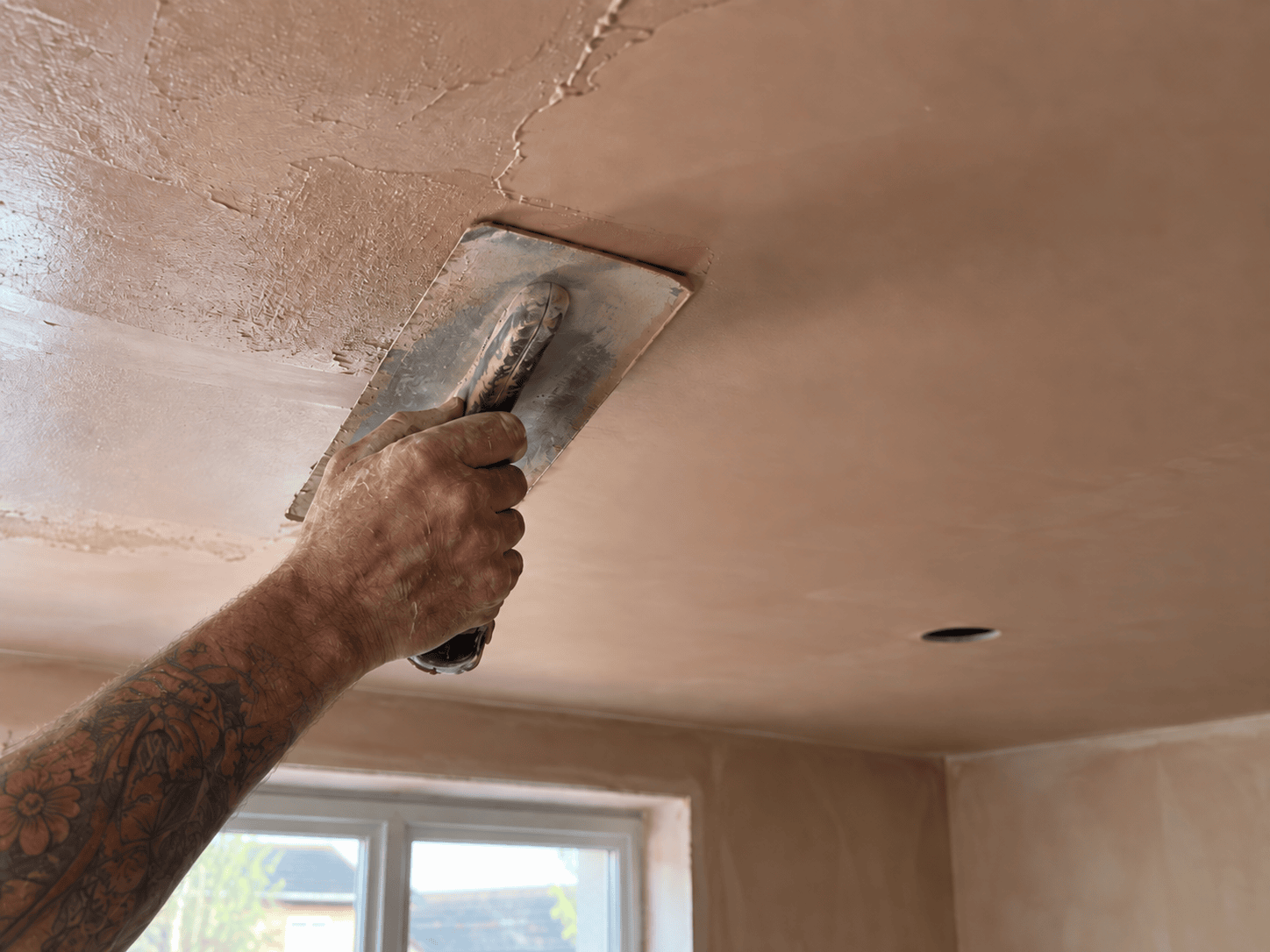
Ceilings show up unevenness more readily than walls, especially under direct light.
Careful preparation and finishing for a smooth ceiling surface, even under direct light.

We check the construction and condition of your ceiling and advise on the right approach.

More than 20 years of experience working with both modern and older ceiling constructions.

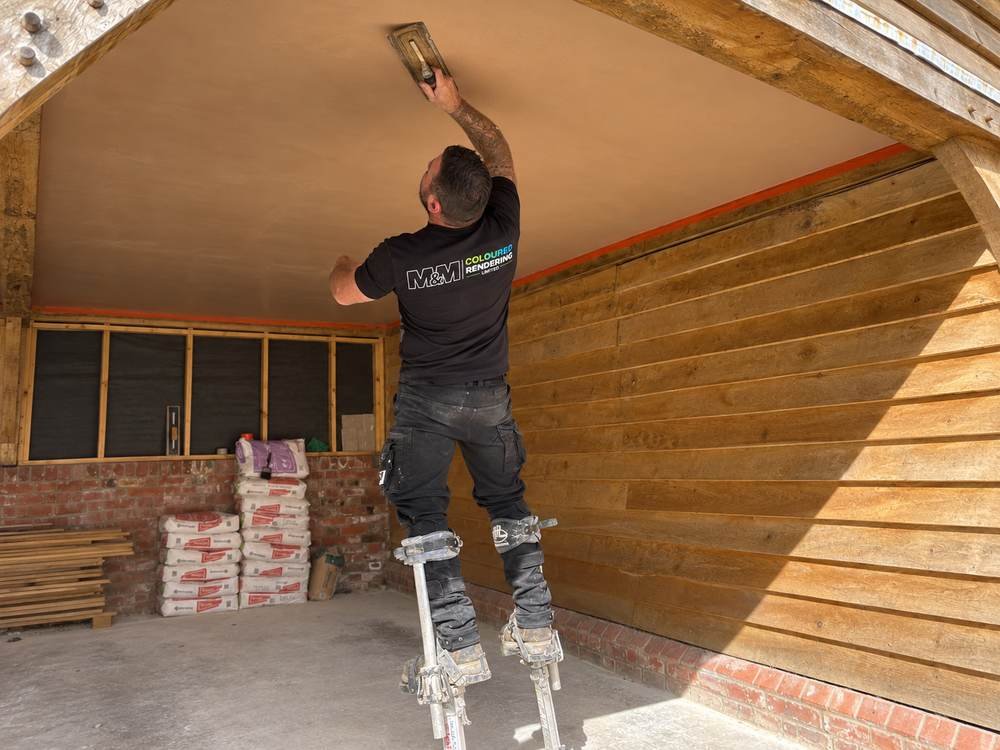
Floors and furniture protected while we work overhead.
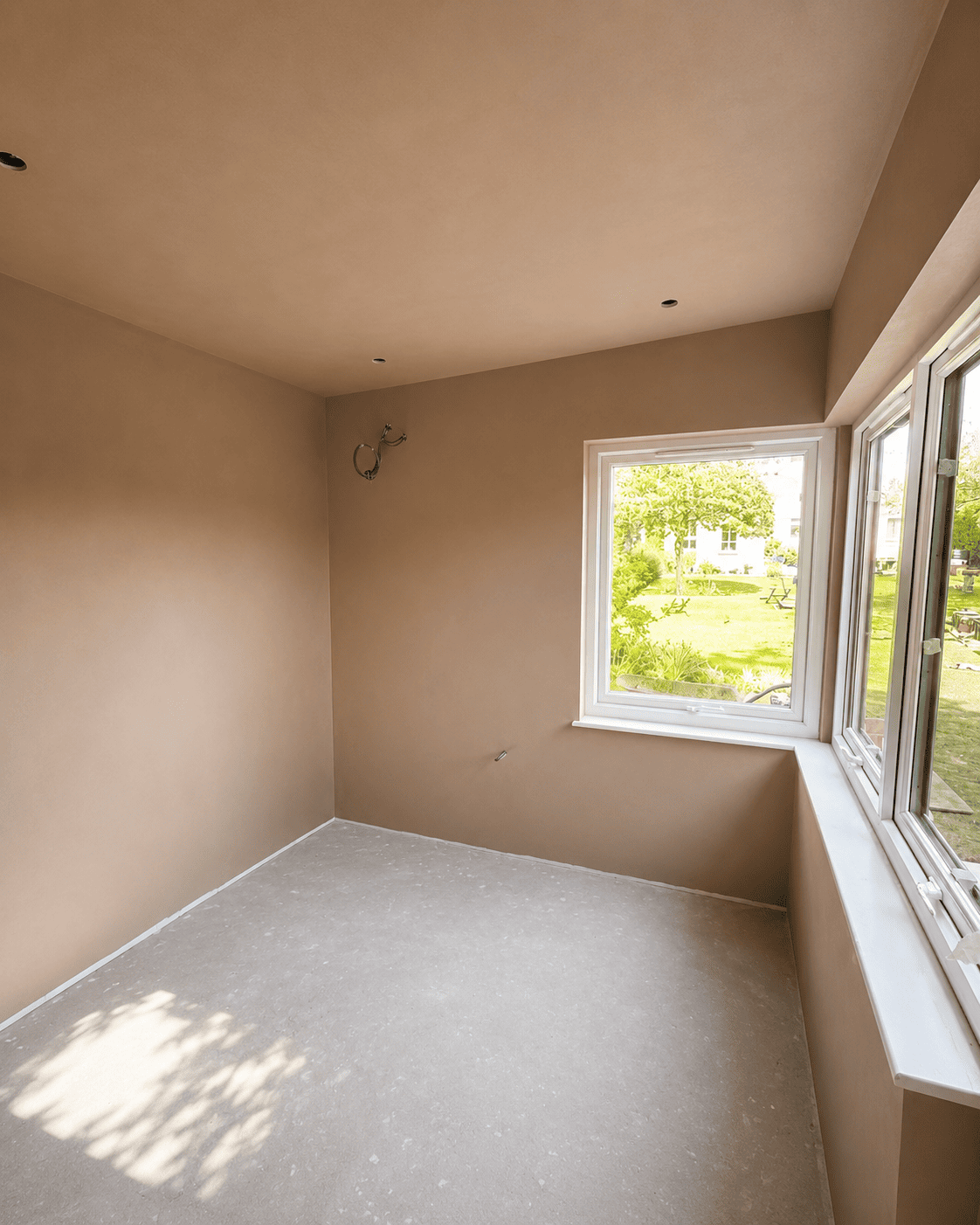
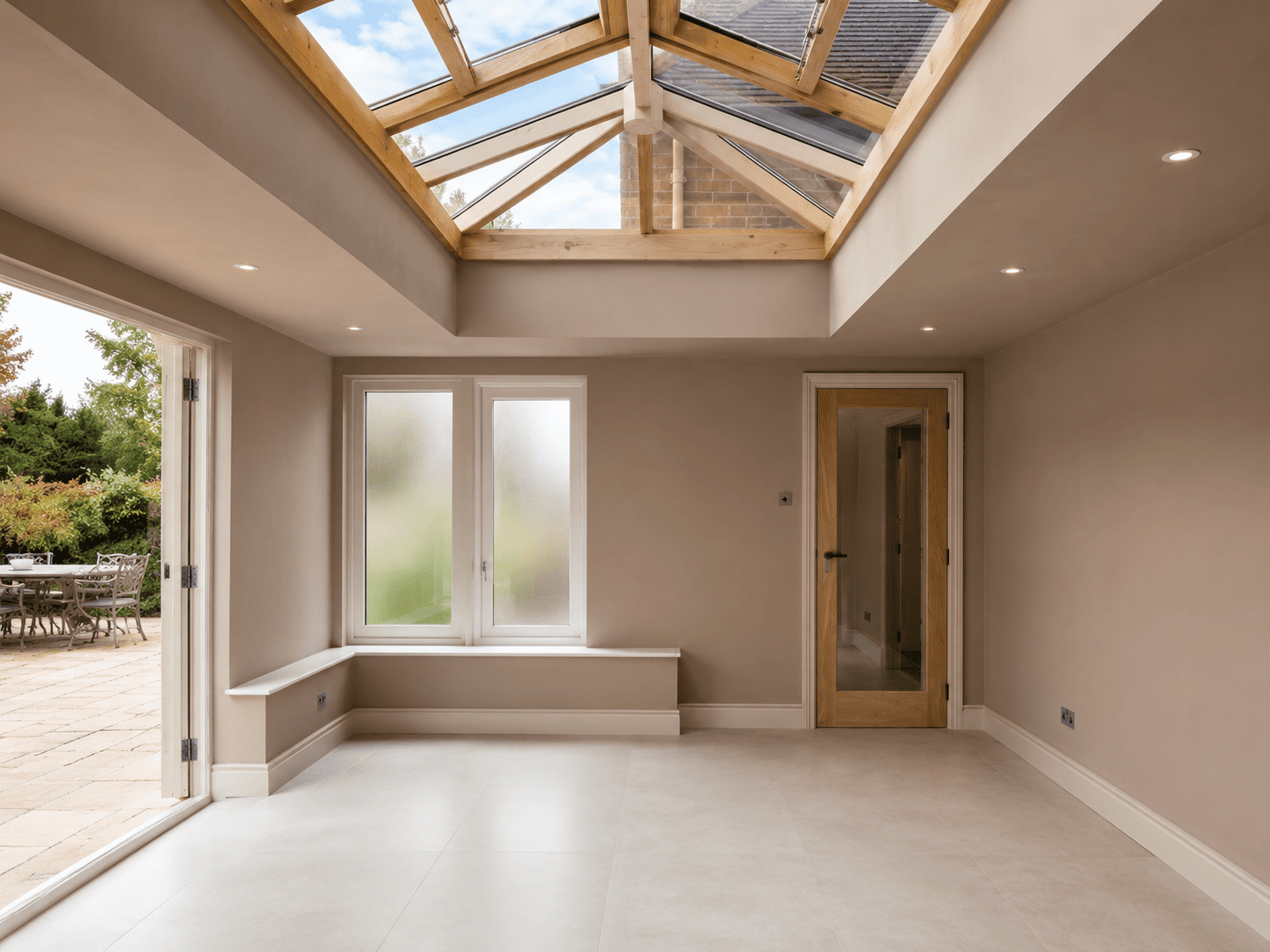
A flat, even surface across the whole ceiling, ready for decoration.
We assess lath-and-plaster and older constructions before recommending repair, overboarding or replacement.

In most cases we can skim straight over sound artex, saving the cost and mess of stripping it off.

Professional cover provides extra reassurance while we work overhead in your home.
Ceilings bring their own challenges compared with walls — working overhead, keeping a flat and even finish across a large uninterrupted area, and often dealing with older ceiling constructions that behave differently to a stud wall.
Older properties sometimes have lath-and-plaster ceilings, which behave differently to modern plasterboard and need a different approach if they’re cracking, sagging or coming away from the laths above.
If the artex is loose, cracked, or dates from a period where asbestos was commonly used (roughly the 1960s–80s), it may need testing and safe removal or encapsulation before we plaster.
The right approach depends on the condition of your existing ceiling.
Which is better? We’ll check the condition of your ceiling and advise on the safest, most practical approach — including testing where the artex dates from a period asbestos was commonly used.
A careful approach to a job that’s always done overhead.
We check the ceiling’s construction and condition, including any artex or older plasterwork.
Furniture and floors are protected before any work begins overhead.
The ceiling is skimmed, repaired or overboarded as needed for a flat finish.
We advise on drying time and the right point to start decorating.
In most cases we can skim straight over sound artex to give a smooth, modern finish, saving the cost and mess of stripping it off first.
Older lath-and-plaster ceilings need a different approach if they’re cracking or sagging — see our plastering FAQs for more detail.
Yes — in most cases we can skim straight over sound artex to give a smooth, modern finish, saving the cost and mess of stripping it off first. If the artex is loose, cracked or contains asbestos (common in ceilings from the 1960s-80s), it may need testing and safe removal or encapsulation before we plaster. We'll check the condition during a site visit and advise on the safest, most cost-effective approach.
Fresh plaster needs to fully dry out, not just look dry to the touch. As a rough guide, allow about a week per coat in normal conditions — a standard skim coat is often ready in around 5-7 days, longer in cold or damp weather or on larger areas. Painting too soon can trap moisture and cause the finish to blow or discolour. We'll advise on drying time for your job, and a diluted mist coat is usually the safe first coat once it's ready.
Most walls and ceilings in good condition just need a single skim coat, around 2mm thick, applied in two passes for a smooth, even finish. Where a wall has been stripped back to brick or blockwork, or freshly plasterboarded, it typically needs a base coat first to build up an even surface before the finishing skim goes on. We'll assess the condition of your walls and confirm exactly what's needed as part of your quote.
Plastering is inevitably a bit dusty and wet since we mix and apply plaster on site, but we keep disruption to a minimum: dust sheets over floors and furniture, protection for doors, windows and fixtures, and a clean-down at the end of each day rather than leaving mess to build up. Rooms generally need to be cleared of furniture, or have it moved to the centre and covered, before we start. We'll talk you through what to prepare before work begins.
Yes. M&M provides free, no-obligation quotations. We can discuss the property and the work required, and where necessary arrange to assess the job before providing the quotation.
Tell us about your ceiling and we will provide a clear, no-obligation quotation.
 Call
 WhatsApp
 Free Quote